
ECOPULSE · ENVIRONMENTAL INTELLIGENCE
A different way to investigate the environment
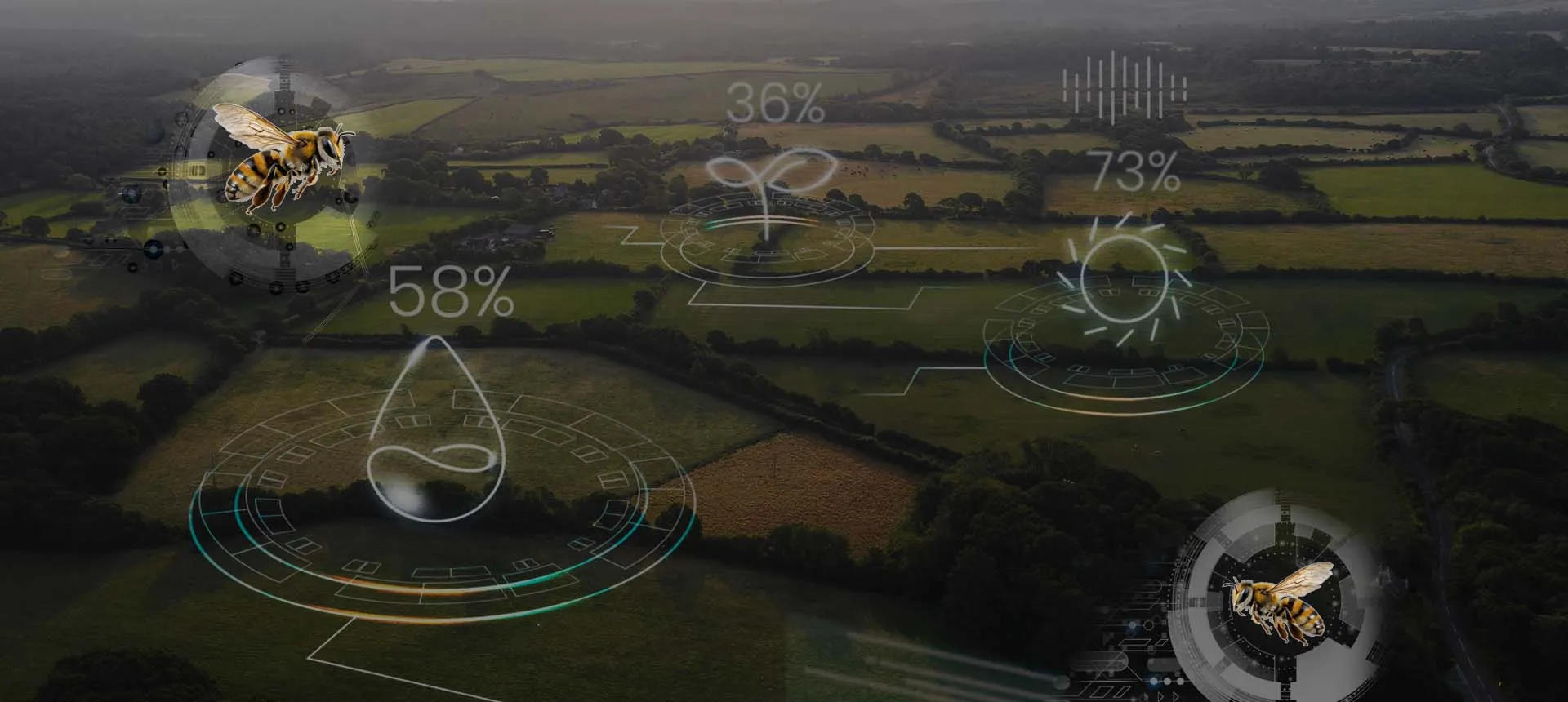
EcoPulse combines bees as biological samplers, pollen analysis, environmental DNA (eDNA) and scientific interpretation to help organisations investigate biodiversity and ecological change.
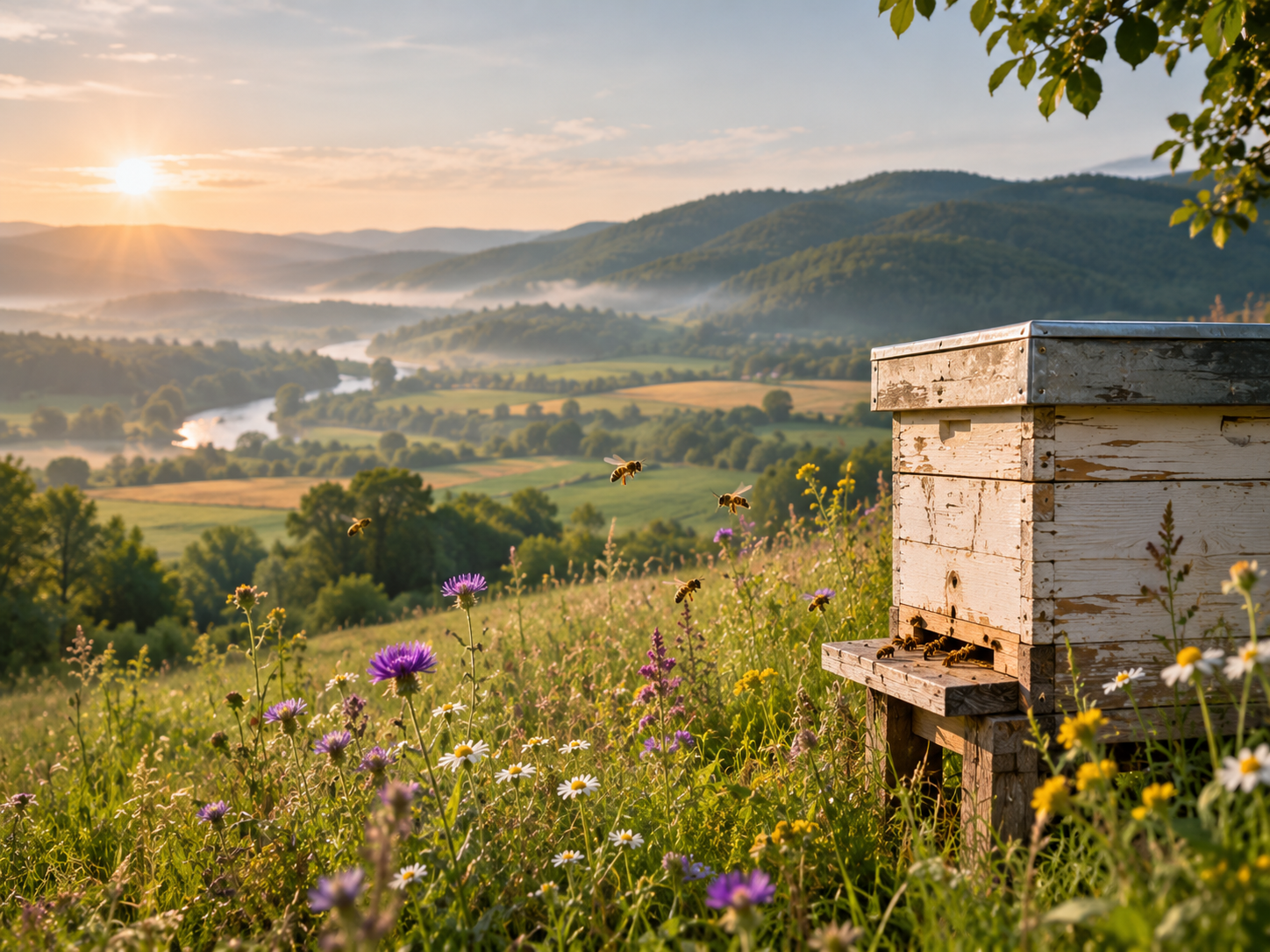
Instead of relying on a single point sample alone, projects can explore biological signals collected by foraging bees across the landscape. The appropriate coverage and conclusions depend on hive placement, season, target question and analytical method.
THE APPROACH
From a field sample to an environmental picture
1. Define the question. We start by understanding the site, the environmental question, the decision to be informed and the evidence needed.
2. Plan the deployment. Monitoring locations, timing, sampling frequency and methods are designed around the project objectives and local conditions.
3. Collect and analyse samples. Bees forage on flowering plants and return pollen to the hive. Selected samples can be analysed using eDNA methods, including metabarcoding where appropriate, to investigate biological material.
4. Interpret the findings. Results are reviewed in the context of sampling design, laboratory methods and known limitations. The output is intended to support informed decisions, not to imply that one sample can answer every environmental question.
ENVIRONMENTAL QUESTIONS
What could EcoPulse help investigate?
The precise scope is agreed for each project. Analytical targets, detection limits and the interpretation of results must be matched to the selected methods.
Biodiversity and plant diversity
Investigate which plant taxa are represented in collected pollen and explore patterns across locations or time.
Pesticides and contaminants
Develop a monitoring plan for selected environmental contaminants with suitable sampling and analytical partners. Do not assume every substance is detectable by every method.
Invasive species
Explore whether selected non-native or indicator plant species appear in the analysed biological material.
Ecological change
Compare results across sampling periods to investigate changes, while accounting for seasonality and sampling differences.
USE CASE 01
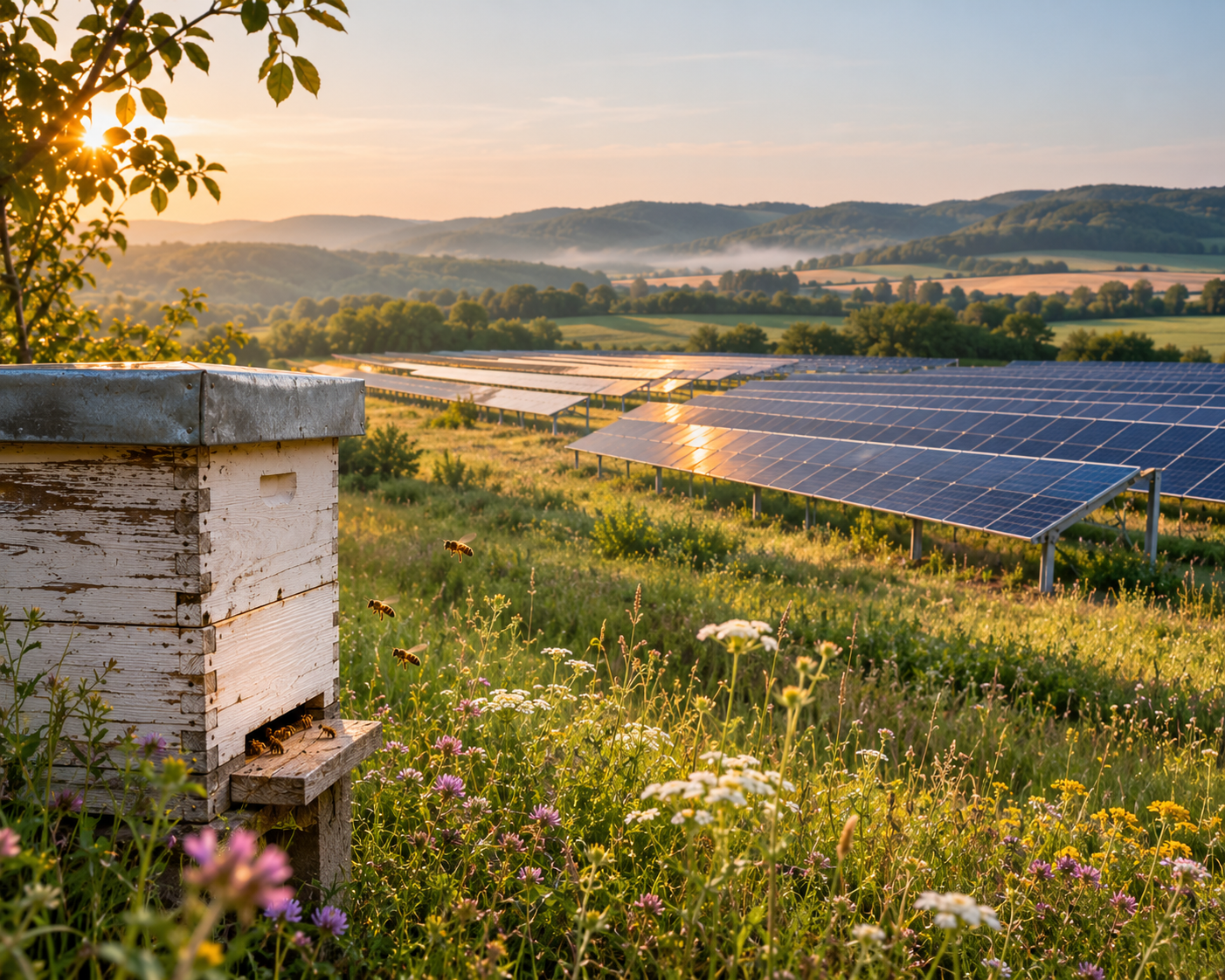
Renewable energy and solar parks
Energy developments interact with the surrounding landscape. Environmental intelligence can help project teams and their consultants investigate plant diversity and ecological conditions around solar parks and other renewable energy sites.
A project can be designed around site boundaries, nearby habitats, seasonal variation and the specific questions that need to be answered. Results can complement existing field surveys and ecological assessments; they do not automatically replace statutory surveys or expert fieldwork.
USE CASE 02
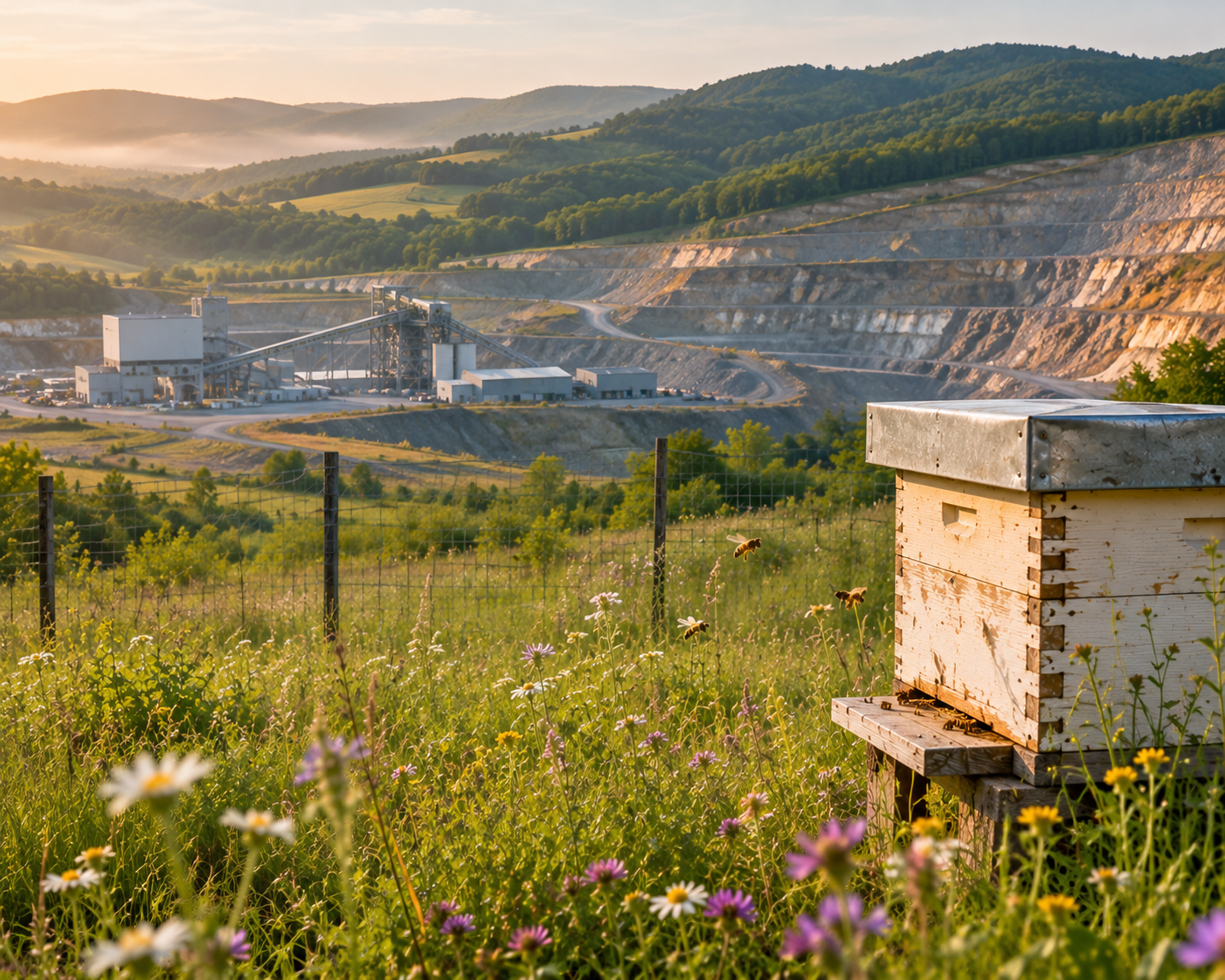
Industrial and mining facilities
Industrial sites and mining operations may need to understand ecological conditions beyond the facility fence line. Bee-based sampling and biological analysis can be considered as part of a broader monitoring programme to investigate biodiversity patterns and selected environmental questions.
Project design should reflect local conditions, operational context, relevant contaminants, appropriate laboratory methods and any regulatory requirements. Findings should be interpreted alongside other available evidence.
USE CASE 03
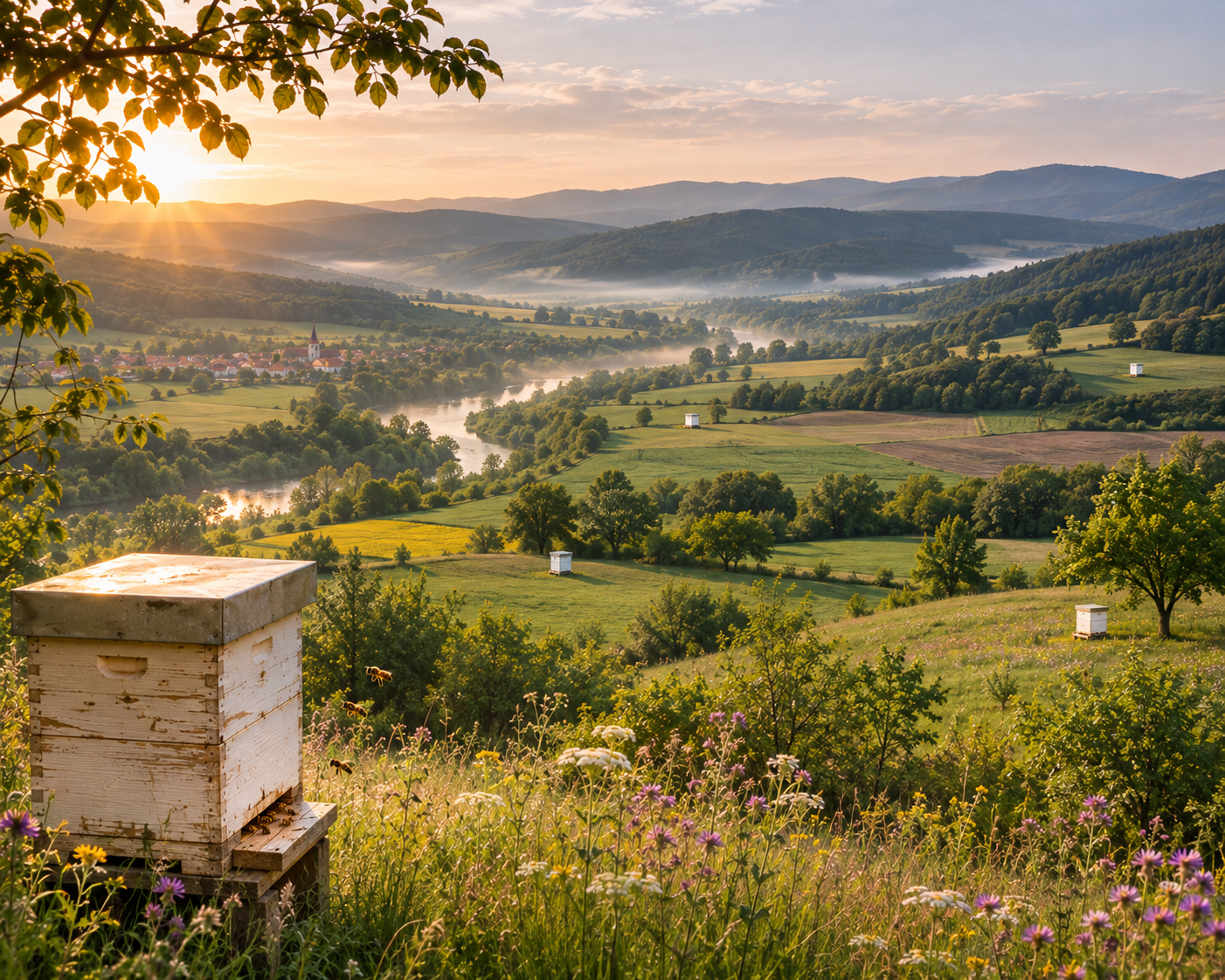
Environmental consultants and monitoring networks
Consultancies and organisations managing multiple sites may need comparable ecological information across a wide area. A coordinated network of sampling locations can help explore spatial patterns and changes over time.
We work with project partners to define sampling protocols, data requirements and reporting needs. Network size, geographic coverage and sampling frequency are set according to the project rather than assumed in advance.
BULGARIA STUDY
Investigating biodiversity with local relevance
Pollenity has worked on a study of biodiversity in Bulgaria supported by the America for Bulgaria Foundation. The work explores how bee-based sampling and biological analysis can contribute to understanding plant diversity in the landscape.
The study explores how pollen-based analysis can add evidence about plant diversity and the landscapes that support it. As with any ecological method, findings need to be interpreted in the context of the sampling design, season and analytical approach.
CASE STUDIES
Evidence from research and field deployments
Our case studies explain the environmental question, how a monitoring approach was designed, what the analysis revealed and how the findings can inform next steps. Each project has its own scope and limitations, which are important to understanding the results.
Biodiversity study in Bulgaria
A study supported by the America for Bulgaria Foundation exploring bee-based sampling and biodiversity analysis in Bulgaria.
Renewable energy monitoring
Explore how a monitoring plan can help renewable energy teams investigate biodiversity and ecological conditions around a site.
Industrial and multi-site monitoring
Explore how coordinated sampling can help teams investigate ecological patterns across multiple operating sites.
METHODS AND LIMITATIONS
Interpretation matters as much as detection
Environmental DNA and metabarcoding can help identify biological material in a sample, but results depend on sample collection, DNA preservation, laboratory protocols, reference databases, the target organisms and the analytical pipeline. A detection is not automatically a measure of abundance, ecological health, or source attribution.
Similarly, bee foraging ranges and sample composition vary with season, weather, landscape and colony conditions. Monitoring plans should explain these limitations and use complementary methods where needed.
Any published figures about area coverage, daily flower visits, detection performance or the number of “sensors” should be tied to a clear definition, evidence source and context. Add verified project-specific metrics here when approved.
HAVE AN ENVIRONMENTAL QUESTION?
Let’s design the right monitoring approach
Share your site, target question, timeline and any existing monitoring requirements. We’ll help assess whether EcoPulse can contribute and what a suitable project design might look like.