
RESEARCH AND COLLABORATION
An applied research partner for living systems
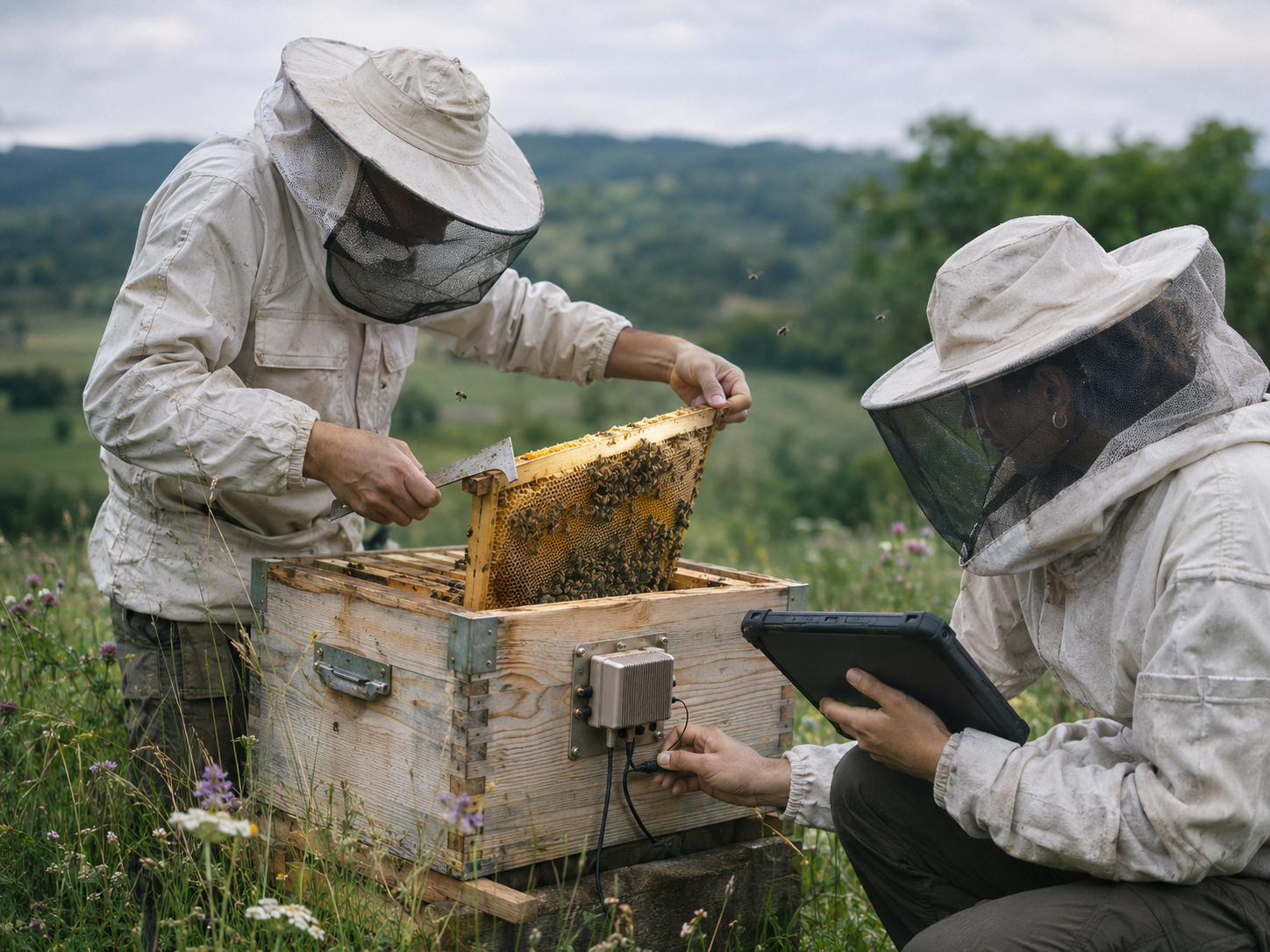
Pollenity works at the intersection of beekeeping, sensing technology, field deployment and environmental questions. We contribute practical technology development and real-world implementation experience to interdisciplinary research.
Our European project experience spans technology-augmented hives, bee sensing and work on wild-pollinator monitoring. Each project has its own scientific aims and methods; the summaries below link to the official records.
OUR RESEARCH CONTRIBUTION
From prototype to field evidence
Research teams often need to connect ideas, hardware, biological systems and practical deployment. Pollenity can explore collaboration roles where technical development, field logistics, beekeeper workflows or applied implementation are relevant.
TECHNOLOGY
Hardware and prototyping
Development and integration of hive devices and sampling technology, within the scope of a defined project.
FIELDWORK
Field deployment
Practical planning for deployments with beekeepers and living colonies, subject to project needs and local conditions.
TRANSLATION
Applied collaboration
Work with scientific and technical partners to connect research objectives with real-world testing and potential use.
RESEARCH QUESTIONS
Questions we are interested in exploring
- How do bee-collected pollen samples compare with botanical surveys across seasons and habitat types?
- How should colony placement and sampling schedules be designed to investigate change around a site?
- Can automated or selective pollen collection improve sampling consistency while protecting colony health?
- Which environmental signals can be reliably inferred from different hive matrices, and what validation is needed?
- How can managed honey bee data be combined with other approaches without treating one species as a proxy for all pollinators?
- How can sensor systems and field observations be integrated into transparent, reproducible ecological analysis?
RESEARCH PORTFOLIO
European projects and technology development
Project details below are based on public project records. Funding totals refer to the relevant project or grant unless explicitly stated otherwise. Pollenity’s precise work packages and public outputs should be confirmed against consortium records before publication.
CLOSED PROJECT
HIVEOPOLIS · 2019–2024
Horizon 2020 project (grant 824069) coordinated by the University of Graz. It explored technology-augmented beehives. Pollenity’s documented contribution included development of an automated honey-harvesting system and a hive-entrance device. The project ended in March 2024.
Official CORDIS record →ONGOING
SENSORBEES · 2024–2029
Horizon Europe EIC Pathfinder project (grant 101130325) exploring honey bee colonies as sensor networks for pollination service and flowering-plant diversity. Public project materials describe a smart pollen trap with selective collection and visual analysis; do not conflate this with eDNA metabarcoding.
Official CORDIS record →ONGOING
NEWBEE · 2026–2030
Horizon Europe MSCA Staff Exchanges project (grant 101299682) focused on wild-bee engagement and environmentally sound agriculture. The project investigates approaches to wild-bee monitoring and pollination on farms. Confirm Pollenity’s specific tasks before describing its role.
Official CORDIS record →COMPLETED
Internet of Bees · 2020
SME Instrument Phase 1 feasibility project (grant 887791) concerning the Beebot, HiHive and BBoard smart-beehive system. The official record documents the grant and project period.
Official CORDIS record →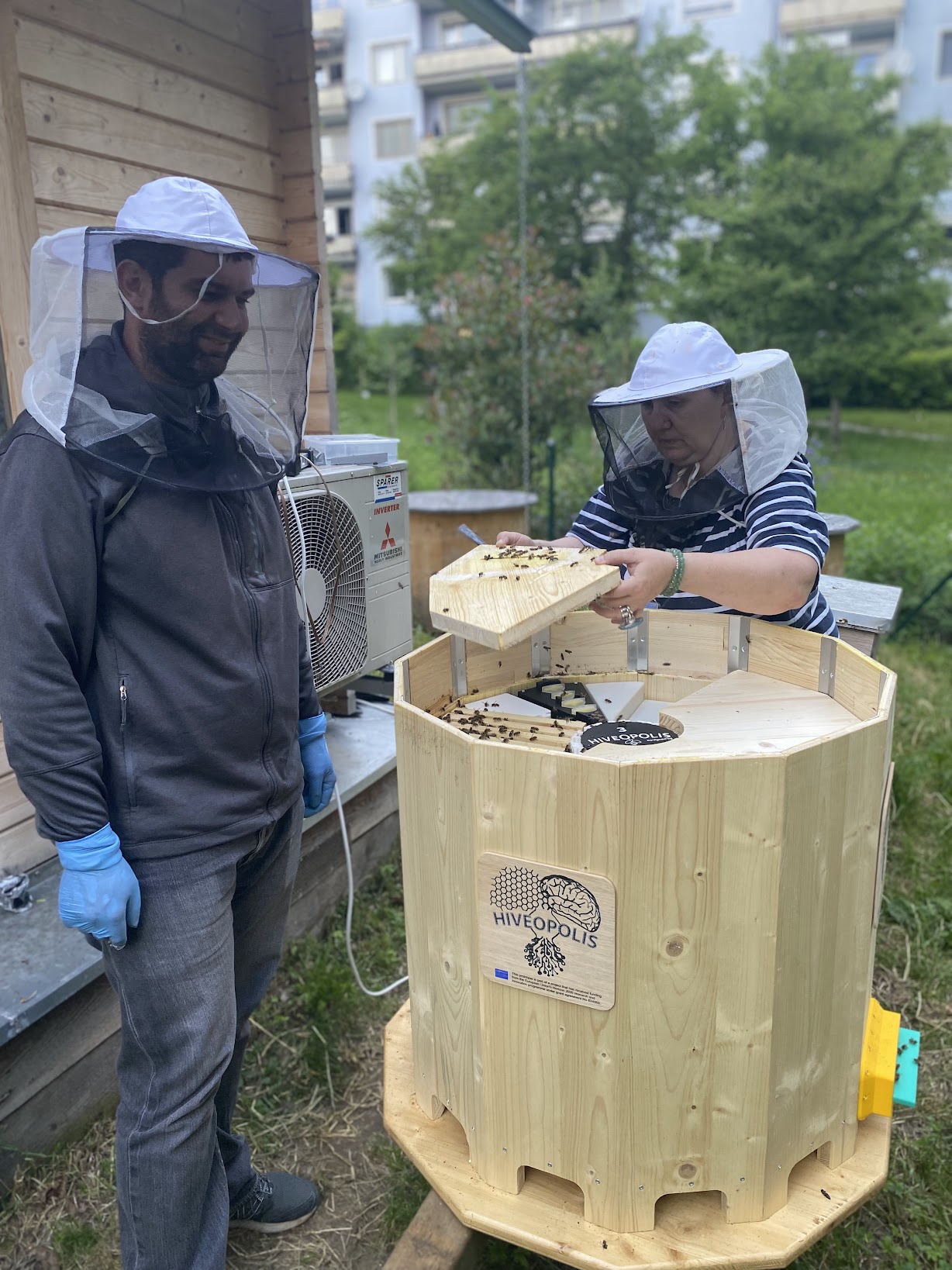
HIVEOPOLIS
Technology-augmented beehives
HIVEOPOLIS — Futuristic Beehives for a Smart Metropolis — ran from 1 April 2019 to 31 March 2024 under Horizon 2020 grant agreement 824069. The University of Graz coordinated the consortium, which included universities and research organisations alongside Bee Smart Technologies (Pollenity).
The project investigated ways to integrate sensors and actuators into hive systems. Public project reporting describes several hive concepts and an automated honey-harvesting system designed to collect honey without opening the hive during the harvest cycle. Pollenity’s documented role included design and development of the honey-harvesting system and hive-entrance device.
For technical details, deliverables and the complete consortium, consult the official records. The project should be described as completed in March 2024, not 2025.
SENSORBEES
Smart pollen collection and ecological surveillance
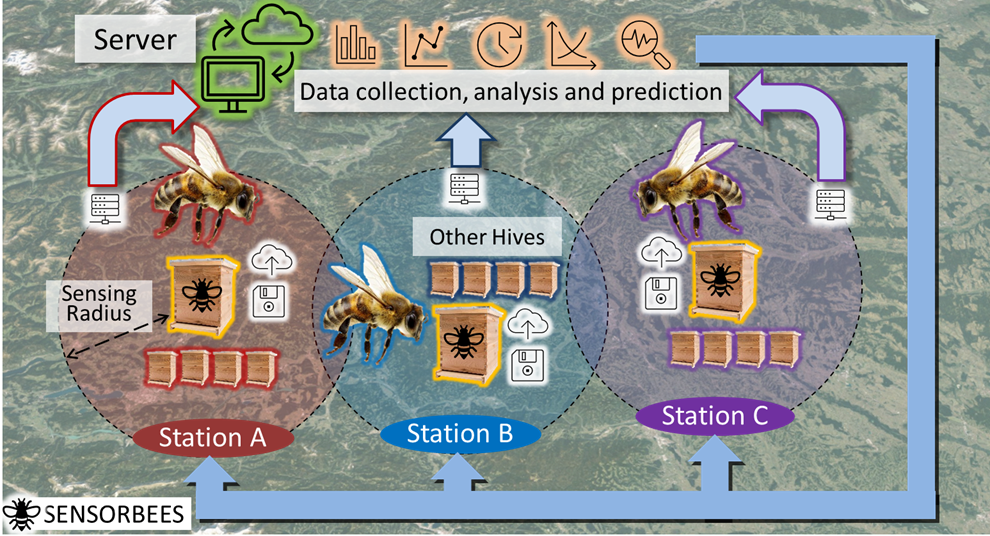
SENSORBEES — Enhanced Self-Organizing Bio-hybrids for Ecological and Environmental Surveillance — is an EIC Pathfinder project running from September 2024 to August 2029. The project explores whether honey bee colonies can help observe pollination service and flowering-plant diversity in surrounding landscapes.
Public descriptions include a smart pollen trap with selective collection and visual pollen analysis, a micro-robotic system for inspecting comb cells and the combination of information across colonies and environmental conditions. These are project research objectives; the website must not imply every component is already a commercial EcoPulse feature.
Pollenity’s exact work packages, deliverables and results should be checked with the consortium before publication.
NEWBEE
Wild bees, pollination and environmentally sound agriculture
NEWBEE — Novel Endemic Wild Bee Engagement for Environmentally-sound agriculture — is a Horizon Europe MSCA Staff Exchanges project scheduled from October 2026 to September 2030. Its focus is wild-bee monitoring and approaches that can support pollination and biodiversity in agricultural settings.
It is distinct from research on managed honey bee colonies. The project record describes camera-based monitoring and research into interventions for wild-bee activity. Pollenity’s specific tasks and secondments should be described only after they are confirmed by the project coordinator.
RESEARCH THEMES
Areas for collaboration
Environmental DNA and biological sampling
Study design, sample handling, reference libraries and validation for DNA-based identification from pollen and other biological matrices. Any work should distinguish research methods from services currently offered commercially.
Hive technology and automation
Connected devices, sampling hardware, hive-entrance systems and automation designed for practical deployment with managed colonies.
Biodiversity and landscape interpretation
Explore how repeated biological samples can complement botanical surveys, land-cover information and other ecological evidence.
Environmental biomonitoring
Investigate the suitability of different bee matrices for specific environmental questions, with method-specific controls and limitations.
Wild pollinators and agriculture
Explore how managed-honey-bee data can be combined with direct wild-bee observations and other evidence, without treating the groups as interchangeable.
HOW WE CAN COLLABORATE
A practical partner for interdisciplinary work
METHOD
Validation studies
Compare outputs with botanical surveys, established laboratory methods or other independent evidence.
DEPLOYMENT
Field campaigns
Plan sampling and deployments around defined research questions, seasons and site conditions.
CONSORTIA
EU research consortia
Discuss a potential SME role in proposals, including technology, field implementation and exploitation where appropriate.
PROTOTYPING
Technology co-development
Explore devices, sensors, sampling systems and integrations with research partners.
FROM IDEA TO STUDY
A clear collaboration process
- Research question. Share the question, programme or call, intended outcomes and timeline.
- Feasibility. Review the required methods, field context, partners and evidence needed.
- Study design. Agree roles, protocol, quality controls, data handling, IP and publication principles.
- Deployment. Plan field activities and coordinate the relevant technical and beekeeping work.
- Analysis and interpretation. Work with the appropriate laboratory and scientific partners; document limitations.
- Dissemination. Agree authorship, acknowledgements, data sharing and publication permissions in advance.
DATA, REPRODUCIBILITY AND PUBLICATION
Agree the terms before work begins
Data access, ownership, retention, publication, intellectual property and any client confidentiality obligations depend on the relevant grant agreement and collaboration contract. These terms should be agreed with partners before fieldwork or analysis begins.
Public deliverables and publications can be linked from this page once they are verified and permitted for sharing. We will not claim access to raw data or promise open publication unless the applicable project and data agreements support it.
PUBLIC PROJECT RECORDS
Start with primary sources
- HIVEOPOLIS — CORDIS project record
- SENSORBEES — CORDIS project record
- SENSORBEES — project website
- NEWBEE — CORDIS project record
- Internet of Bees — CORDIS project record
Additional publications, conference presentations, datasets and project deliverables should be added after confirming authorship, DOI or official link, and publication permissions.
PLANNING A STUDY OR PROPOSAL?
Let’s explore a research collaboration
Tell us about the research question, the funding programme or call, the timeline and the role you envisage for Pollenity. We can discuss fit and identify which details need further technical review.
EUROPEAN RESEARCH AND COLLABORATION
Our research projects
HIVEOPOLIS
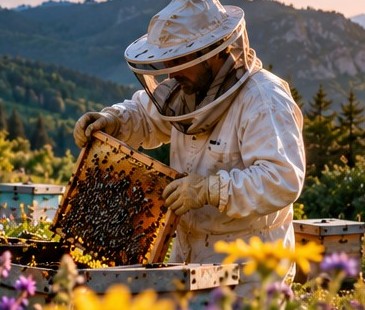
Futuristic beehives for a smart metropolis. A European research project exploring how technology, honeybee colonies and people can work together.
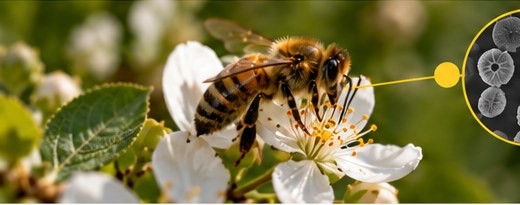
SENSORBEES
Developing enhanced self-organising bio-hybrids for ecological and environmental surveillance.
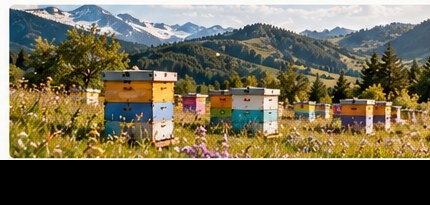
NEWBEE
Novel Endemic Wild Bee Engagement for Environmentally-sound Agriculture.
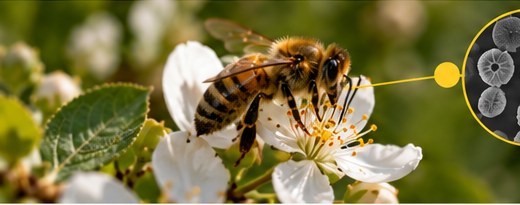
Internet of Bees
Introducing the Internet of Bees: a smart beehive system developed through an EU-funded innovation project.