

Plant diversity in context
Identify plant taxa represented in collected pollen and interpret the findings in relation to the site and its surrounding landscape.
Bees travel across landscapes, collecting traces of the environment. EcoPulse analyses pollen and environmental DNA to help reveal which plants are present and what the ecosystem may be telling us.
We help you understand it.
Maps describe what covers the land. Bee-collected pollen offers another perspective: which plants are represented in the forage record and how that signal changes over time.
Identify plant taxa represented in collected pollen and interpret the findings in relation to the site and its surrounding landscape.
Compare findings between agreed sampling periods to explore seasonal differences and build a baseline for repeat monitoring.
Receive a seasonal report with scientific interpretation, context and limitations made clear.
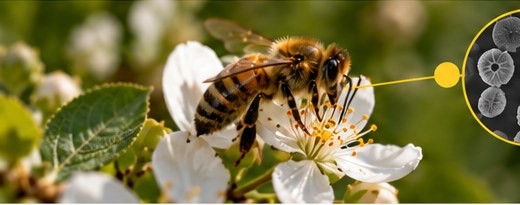
Honeybees visit flowering plants across the landscapes they forage in. Analysis of collected pollen can reveal plant taxa represented in samples and help explore how the signal differs between places and seasons.
The monitoring plan is agreed for each project. The exact sampling schedule and analyses depend on scope.
Discuss the site, intended use of the findings and the decisions the monitoring should inform.
Agree locations, sampling periods, analysis options and reporting requirements.
Samples are collected and analysed using the agreed method and scope.
Receive a seasonal report, findings and comparison where multiple periods are available.
EcoPulse reports are designed to connect results with context. They explain what was detected, how findings compare across agreed sampling periods and what conclusions the data can—and cannot—support.
Illustrative visual only. This graphic is not a real customer result or report excerpt.
Explore the reporting approach ↗BeeBot and HiHive are two connected parts of Pollenity’s smart beehive monitoring system: one listens to activity inside the hive, while the other tracks changes in its weight.
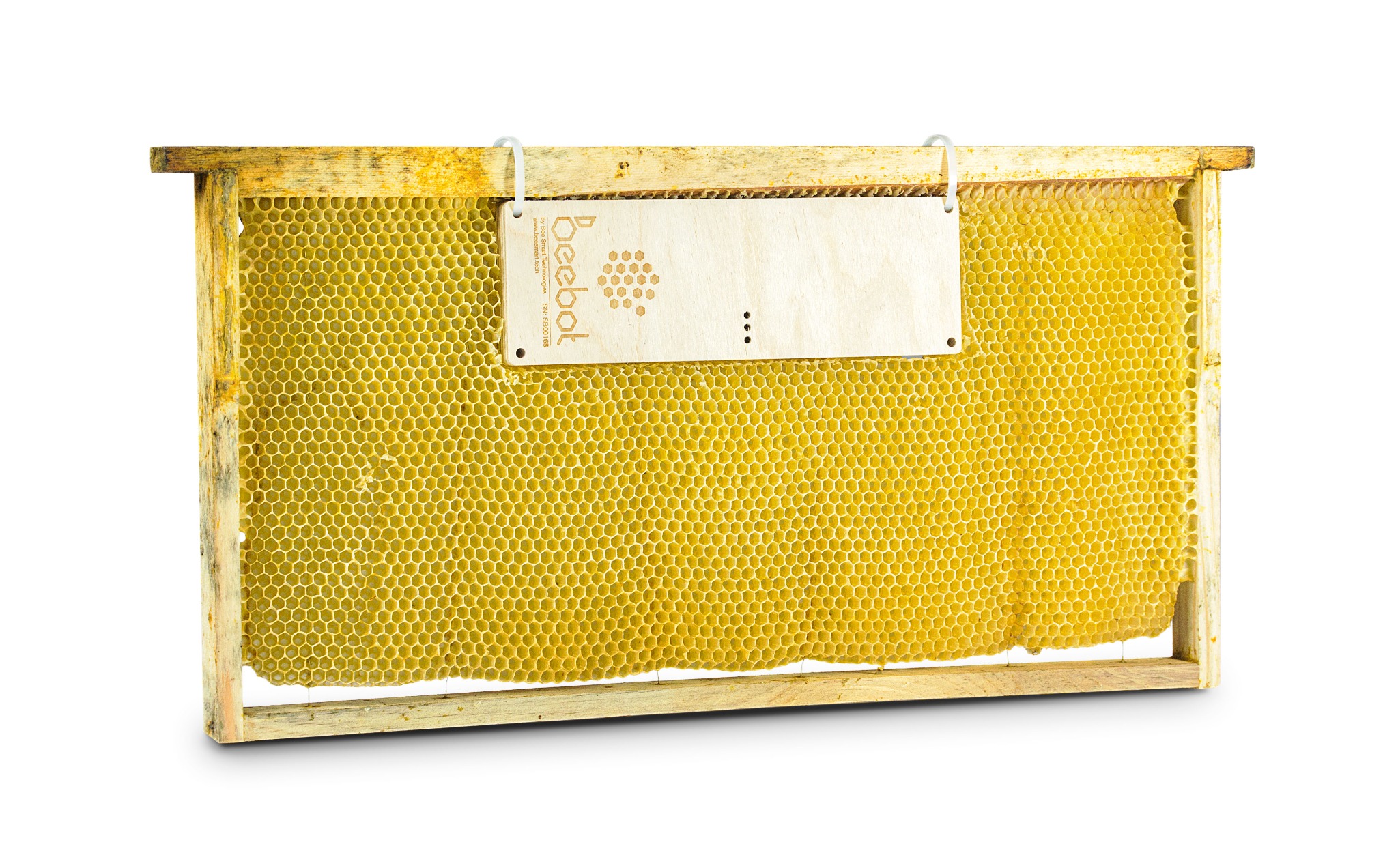 IN-HIVE SENSOR
BeeBot is a compact in-hive sensor that collects data such as temperature, humidity and acoustic signals. It helps beekeepers monitor colony conditions remotely and identify changes that may need attention.
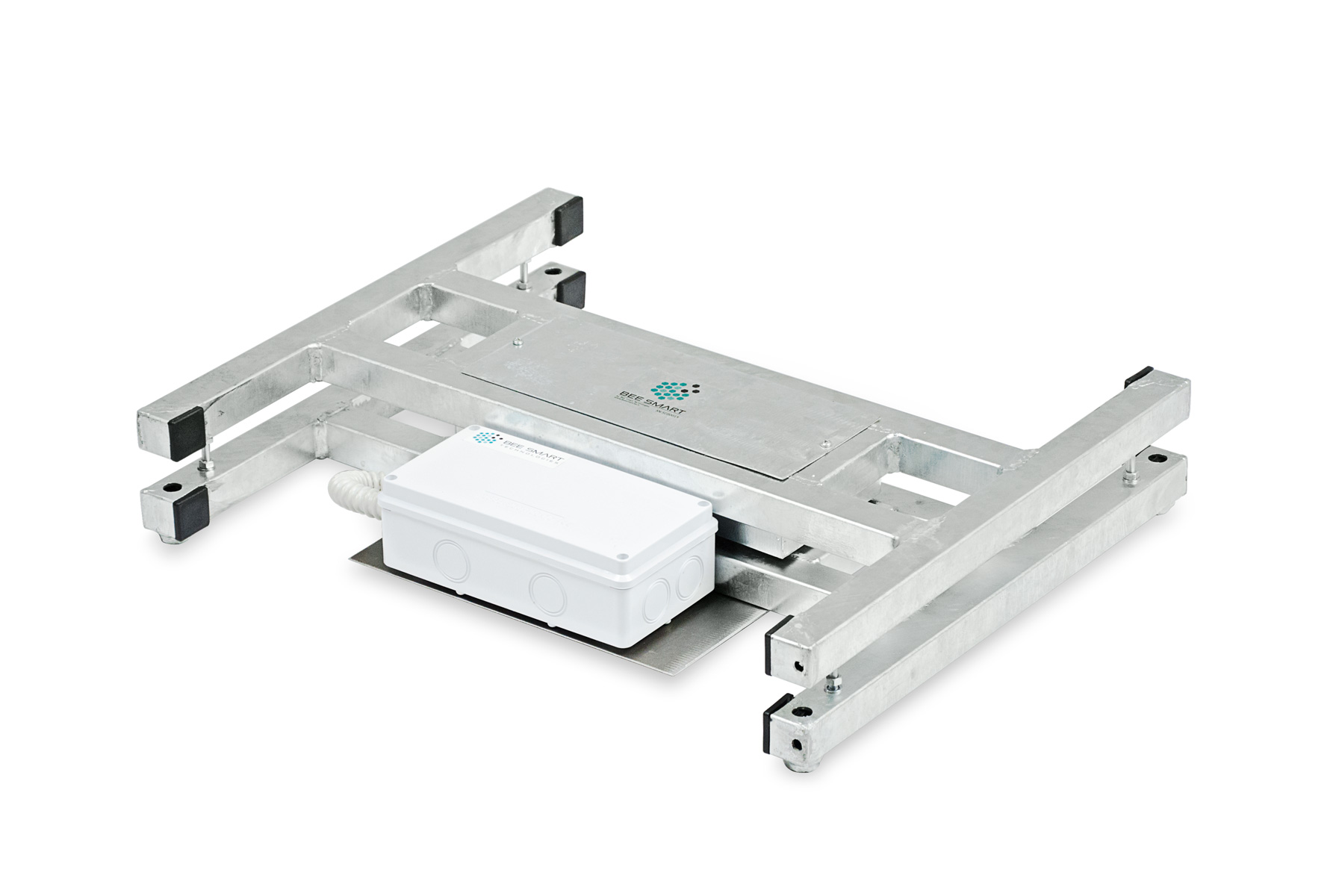 CONNECTED HIVE SCALE
HiHive is an electronic weighing scale that records changes in hive weight. These measurements help beekeepers follow nectar flows, honey production and other important changes throughout the season.
BeeBot and HiHive are being further developed within the project “Introducing the Internet of Bees: A Smart Beehive System”, which received the European Commission’s Seal of Excellence. The project is supported by European Union funding through the Bulgarian programme “Research, Innovation and Digitalisation for Smart Transformation” 2021–2027.
View the project record on CORDIS ↗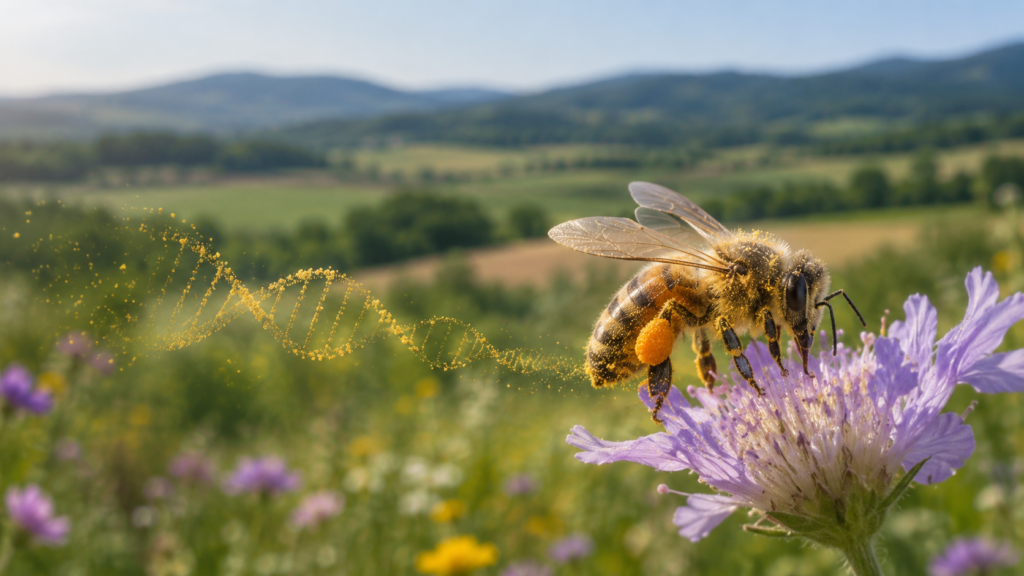
Metabarcoding reads the DNA in a mixed sample and tells you which species are in it. Apply it to the pollen a…
Read article ↗
We don’t claim to have fixed Bulgarian beekeeping. But after years of trying, and getting a lot wrong, we believe we have…
Read article ↗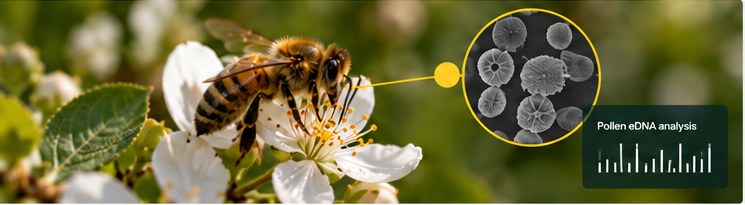
Solar has mostly won the argument on cost. The argument it keeps running into now takes place in the village hall. When…
Read article ↗Tell us about your location, objectives and monitoring questions. We’ll discuss a scope that fits.